Breakdancing Essentials What to Know Before You Start in 2026
As breakdancing continues to evolve and gain recognition globally, particularly with its inclusion in the Olympics, many aspiring dancers are eager to learn the fundamentals of this vibrant art form. In 2026, understanding the essentials of breakdancing is crucial for anyone looking to enter the scene. This article will explore the vital components you should be aware of before embarking on your breakdancing journey.
The History and Culture of Breakdancing
Before you step onto the dance floor, it is essential to appreciate the rich history and culture surrounding breakdancing. Originating in the South Bronx during the late 1970s, breakdancing emerged as a form of expression amidst social and economic struggles. It is important to understand the roots of breakdancing, which includes influences from various dance styles, such as locking, popping, and social dances. By familiarising yourself with the culture, you gain a deeper appreciation for the dance and its community, which is known for its creativity and inclusivity.
Essential Skills and Techniques
When starting breakdancing, there are several fundamental skills and techniques you will need to master. These include footwork, freezes, and power moves. Footwork is the foundation of breakdancing and involves intricate steps and patterns that showcase agility and rhythm. It is advisable to start with basic footwork patterns and gradually progress to more complex sequences. Next, freezes are crucial for showcasing your strength and control. A freeze is a pose that allows the dancer to pause and create a striking image during a performance. Power moves, such as headspins and windmills, are dynamic and require considerable strength and technique. Focus on building your strength and flexibility to execute these moves effectively.
People Also Look For:
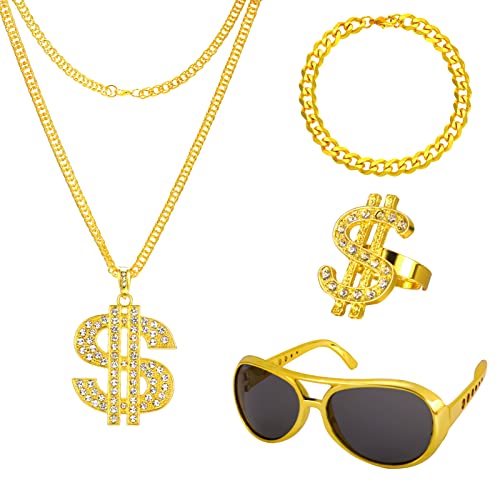
- Hip Hop Costume Kit for Women Men, 80s/90s Chunky Rapper Gangster Accessories Set Fancy Dress with Baseball Cap Hat Dollar Necklac...
- 8Pcs Hip Hop Party Decorations, Fake Gold Chain, Gold Chain Dollar, 90s Fancy Dress Men, Hip Hop Costume Accessories for Kids Adul...
- XdealCozyxc 8 PCS 80s 90s Rapper Fake Gold Chain Set, Hip Hop Jewelry for Men Women Party Costume Cosplay Decorations
- DONGZQAN 8Pcs Hip Hop Party Decorations, Fake Gold Chain, Gold Chain Dollar, 90s Fancy Dress Men, Hip Hop Costume, Hip Hop Ring, H...
- 5Pcs Hip Hop Costume Set, 80s/90s Hip Hop Fancy Dress Accessories with Fake Dollar Sign Necklace, Hip Hop Ring, Hippie Glasses, Fa...
Choosing the Right Gear
Having the right gear is essential for a breakdancer. While you might be tempted to invest in the latest trends, comfort and functionality should be your primary concerns. Look for comfortable clothing that allows for a full range of movement. Breathable fabrics are advisable as they help regulate body temperature during intense sessions. Footwear is equally important; opt for trainers with good grip and support while also allowing for flexibility. Brands that cater specifically to dancers often provide shoes designed for the demands of breakdancing.
Finding a Community
Joining a breakdancing community can significantly enhance your learning experience. Look for local classes, workshops, or dance crews where you can connect with others who share your passion. Engaging with experienced dancers can provide valuable insights and mentorship, helping you to improve your skills more rapidly. Additionally, participating in battles and showcases is a fantastic way to gain confidence and exposure. These events not only allow you to demonstrate your skills but also to learn from others and receive constructive feedback.
Practising Safely
As with any physical activity, safety is paramount in breakdancing. Ensure you warm up adequately before practice to prevent injuries. Incorporate stretching into your routine to enhance flexibility and reduce the risk of strains. It is also advisable to practice on suitable surfaces, as hard floors can increase the likelihood of injuries. Consider using mats or practicing in spaces specifically designed for dancing.
Setting Realistic Goals
When starting your breakdancing journey, it is essential to set realistic goals. Progress in breakdancing can vary significantly among individuals, so it is crucial to be patient and persistent. Focus on mastering one skill at a time rather than overwhelming yourself with too many new moves. Keeping a journal to track your progress can be a helpful tool, allowing you to celebrate small victories along the way while maintaining motivation.